Ron Bronson
Studies how technologychanges markets,institutions, andpublic life.
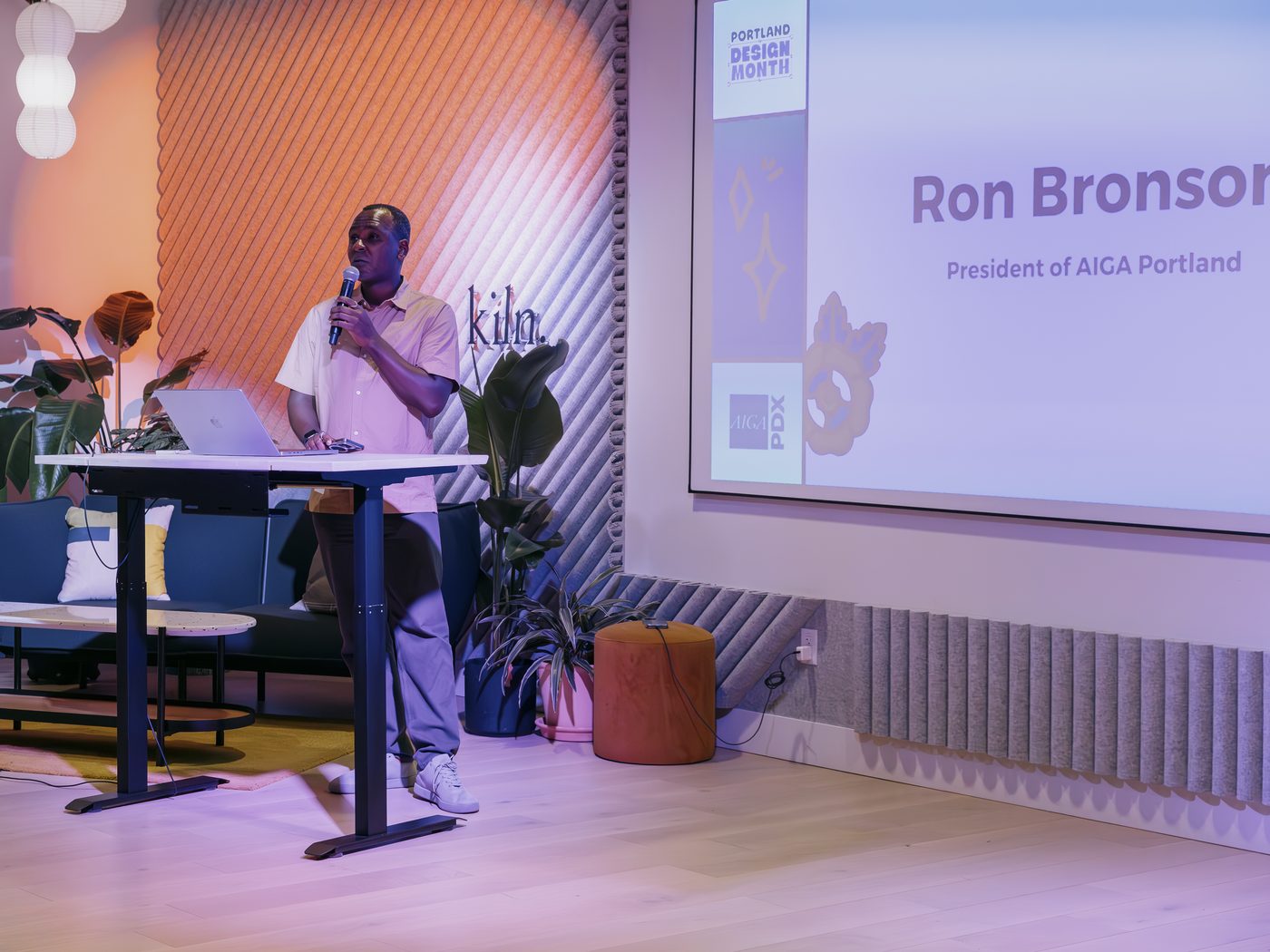
Ron Bronson is an assistant professor of practice in Urban Technology at the University of Michigan and founder of Vloora, where his work on AI agents extends a wider interest in who makes decisions, who bears their consequences, and how systems can be changed.
Service design, product and program management, technology modernization, critical design.
I write, teach, and speak about technology, institutions, and public life, with particular interests in how software changes organizational authority, economic relationships, and public services.
I welcome invitations for talks, commissioned writing, research collaborations, and discussions about technology and institutional change.
Positions
Public delivery is statecraft.
Government’s job is to deliver services, and every form, eligibility rule and queue is a political decision made concrete. He has made that case from inside city, state and federal government, in rooms with the people who keep services running, and now as a nonresident senior fellow at the Global Office of Public Delivery.
Public Delivery Is Statecraft · Global Office of Public Delivery
Solving problems keeps getting cheaper. The mandate to act is the scarce part.
Tools stopped being the missing piece a while ago. What’s missing is someone with the standing to say this problem is ours and we’re going to fix it. Portland Digital Corps began with no money and a call for volunteers. The Oregon tennis rankings began as a side project and became how the state seeds its championship. Both started with somebody deciding to act.
Platforms spend trust they never built.
New technology keeps grafting itself onto things the public built and paid for, like banks, roads and utilities, without paying to keep them up. He has been naming that pattern since his talks on dark patterns, through The Hidden Cost of Everything, and now measures it in public with indices that price the AI economy.
The Hidden Cost of Everything · Dark Patterns Won · Occupant Indices
Rehearse the decision before the public has to live with it.
A plan looks different once people have to live inside it. He builds exercises where a room runs a service under pressure and finds the gaps in authority before launch, from A Parliament of Neighbors in a shopping mall to the scenario work on .dev and the trade-off workshops his students run with outside stakeholders.
Scenario exercises · A Parliament of Neighbors · Years Ahead 26
Capability is whether the thing gets done for the person.
The test is whether the person got the thing they needed. Faster procurement and modern stacks count when the answer is yes. His Public Mechanics course sends students to trace a service from the rule to the counter and talk to the people who run it, because that’s where the answer shows up.
Watch
Listen
He has presented his work internationally at IxDA Oslo, the Service Design Network Global Conference, and other design and technology forums. His talks and writing address service design, public delivery, critical design, and the consequences of technology decisions.
Teaching
- UT 402
Public Mechanics: How Services Work
Fall 2026, Winter 2026
- UT 330
- UT 360
Service Design and Urban Needs
Winter 2026
- Studio
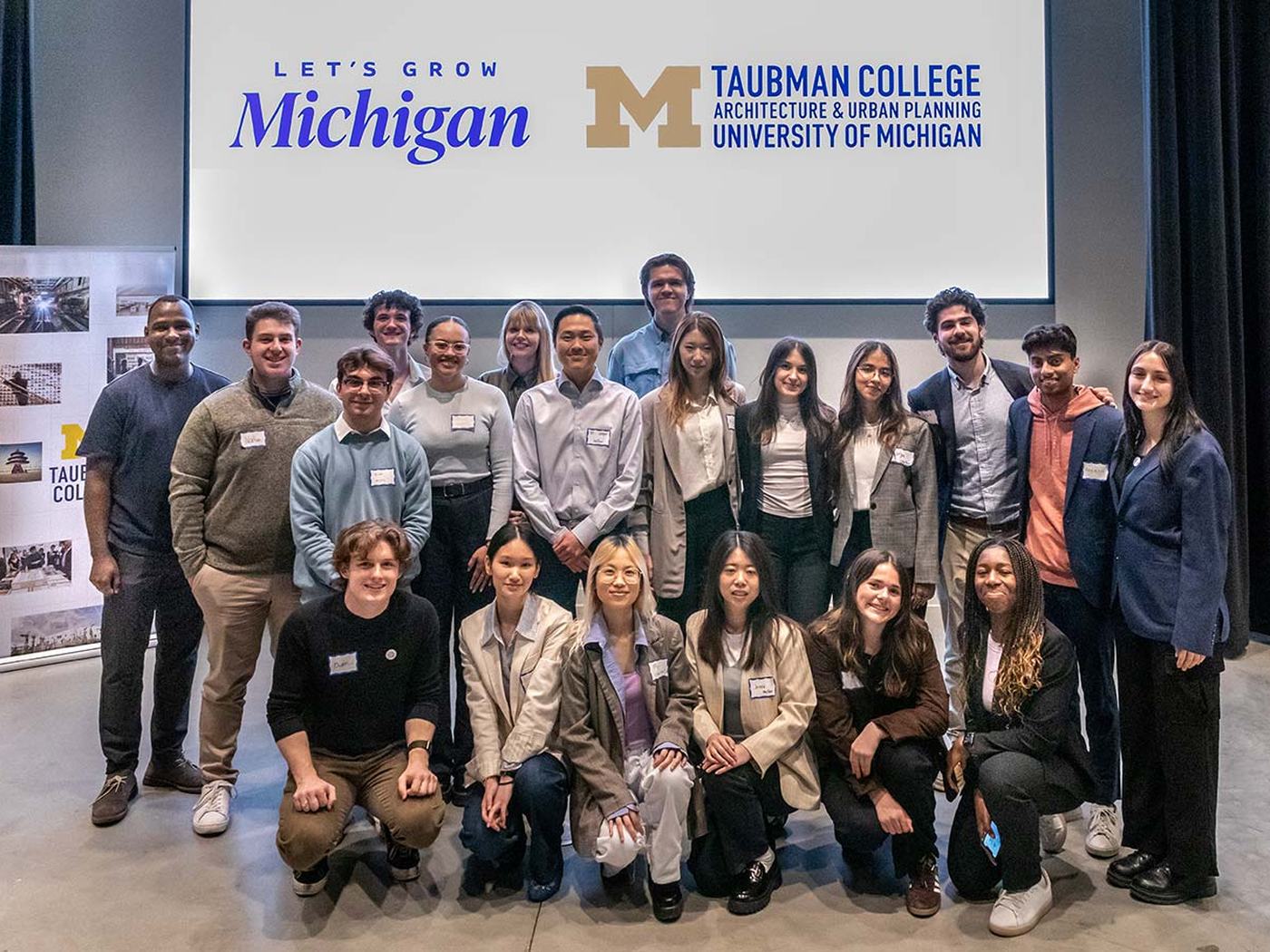
Let’s Grow Michigan
With the State of Michigan’s growth office, 2024
Writing
- 2026
- 2026
- 2025
Design as Repair
Essay and talk
- 2021
- 2017
Consequence Design
Framework
Research
Economic sociology, critical urbanism, platform studies and digital statecraft.
Community
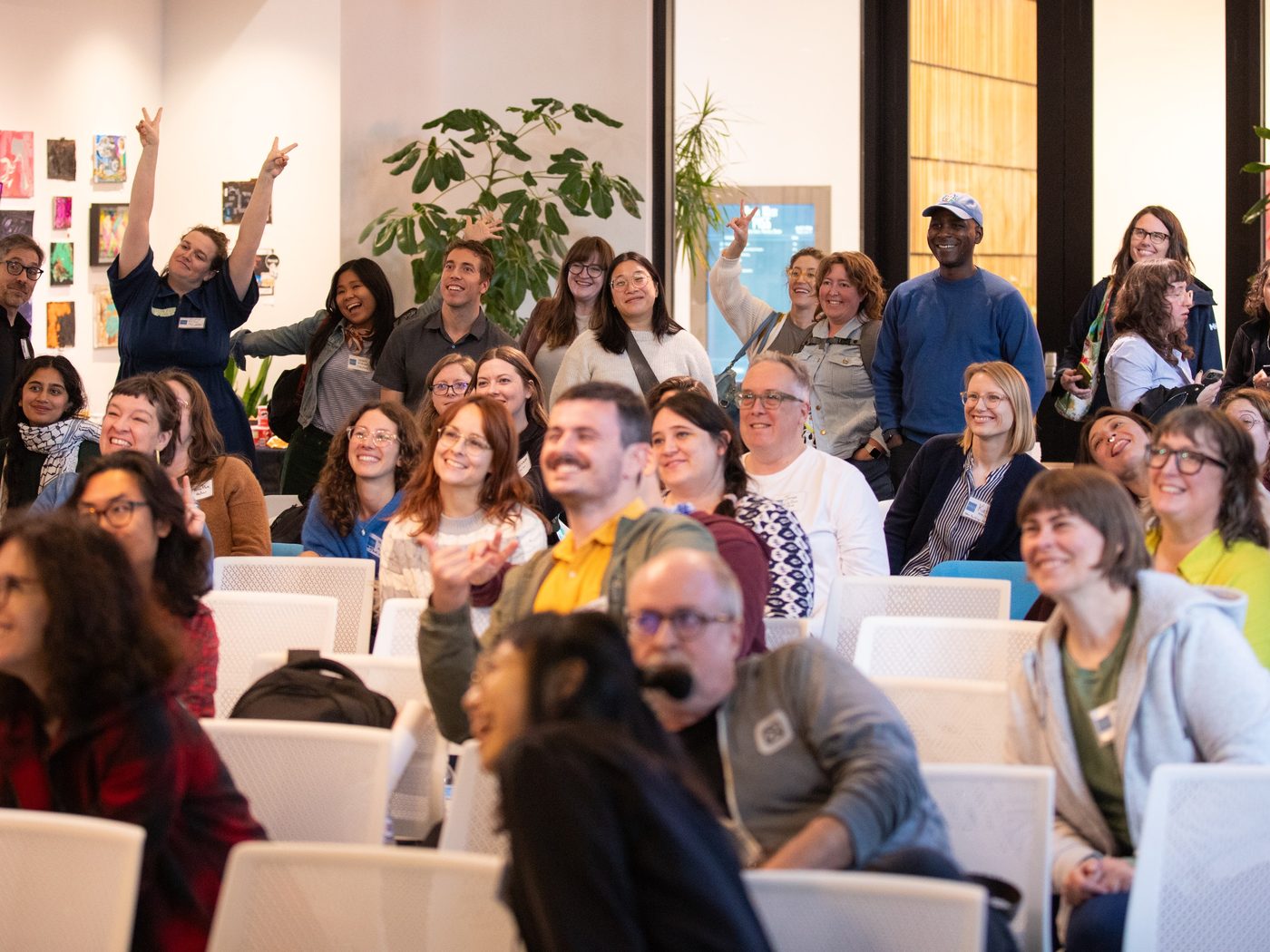
I build the institutions I want to exist. It started with Aggregate in 2014 and Indianapolis Design Week in 2016. In Portland it became Portland Design Month, launched while I was president of AIGA Portland, and Design For The Public, a two-day unconference that brought more than eighty people to the city from across the country. In 2025 I started Portland Digital Corps: more than a hundred people signed up, and fifty of them rebuilt six nonprofit websites in eight-week sprints. This year I organized Years Ahead 26 at the University of Michigan.
Portland Historic Landmarks Commission · Global Office of Public Delivery · W3C Agent-to-Web Framework Community Group · Future Perfect Book Club · The Sound Bulletin, KFFP
Coaching
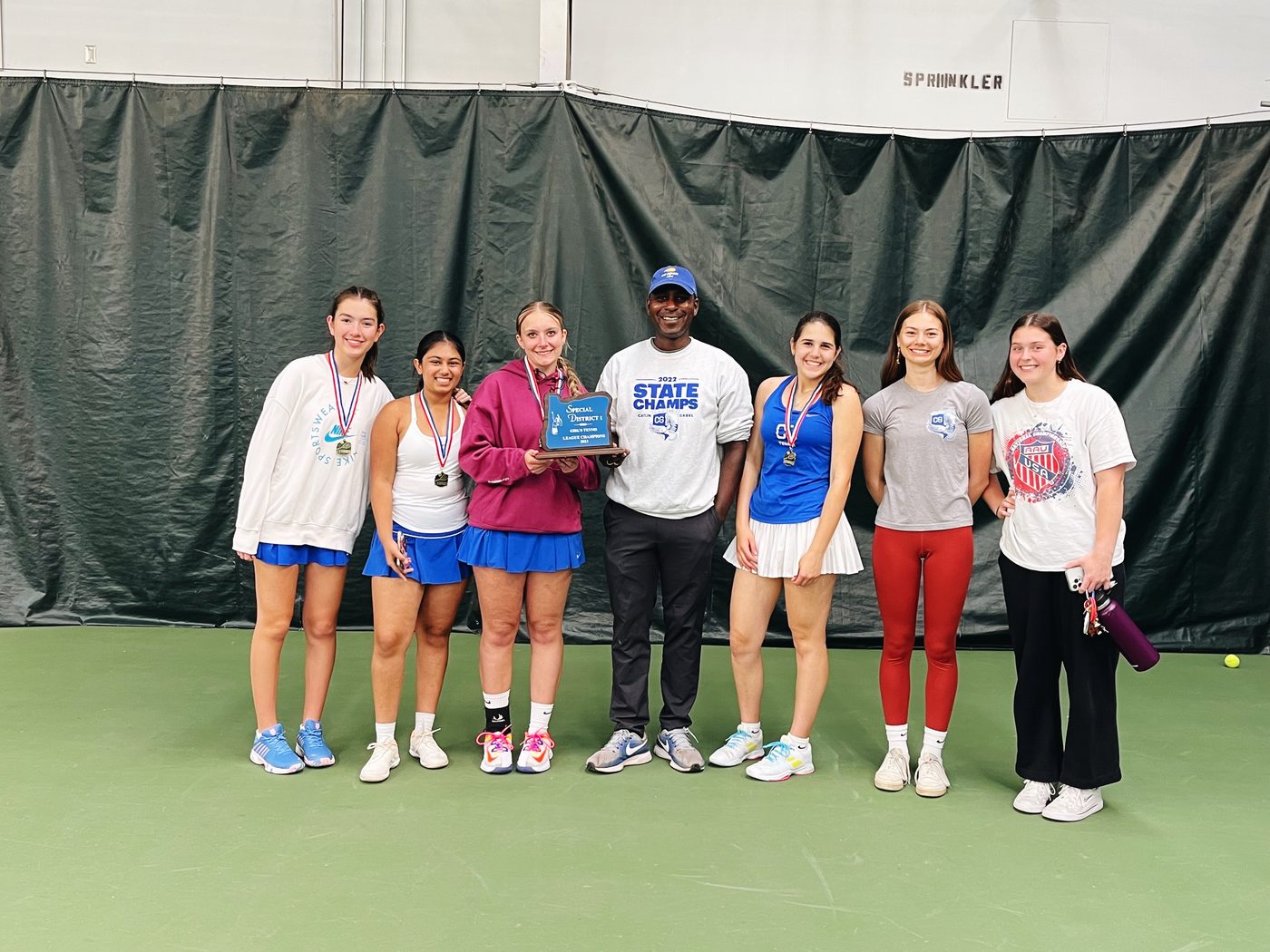
In my 12th year as a high school tennis coach.